Harkening Their Histories: How 7 AAPI Designers Honor Their Roots Year-Round
The Lunar New Year recently wrapped up, bringing new beginnings and officially ushering in 2026. As we depart from the Year of the Snake — a timeframe of shedding the things that no longer serve us to make room for the new — we welcome the Year of the Horse. The Year of the Horse is meant to symbolize positive forward movement, as horses are not only motifs of luck, but freedom and unbridled expression.
And who better to speak on free expression than designers who tap into their creativity day after day? For these designers, the Lunar New Year isn’t just about tapping into passing fads or experimenting with red color palettes just for the fleeting month. It’s about representing their cultures fiercely — during February and March, of course, but also well beyond it.
In honor of the Year of the Horse, Our Era’s Kayla Curtis-Evans tapped seven AAPI founders and designers to discuss how they embrace positivity and authenticity and how they consistently celebrate their origins through their designs.
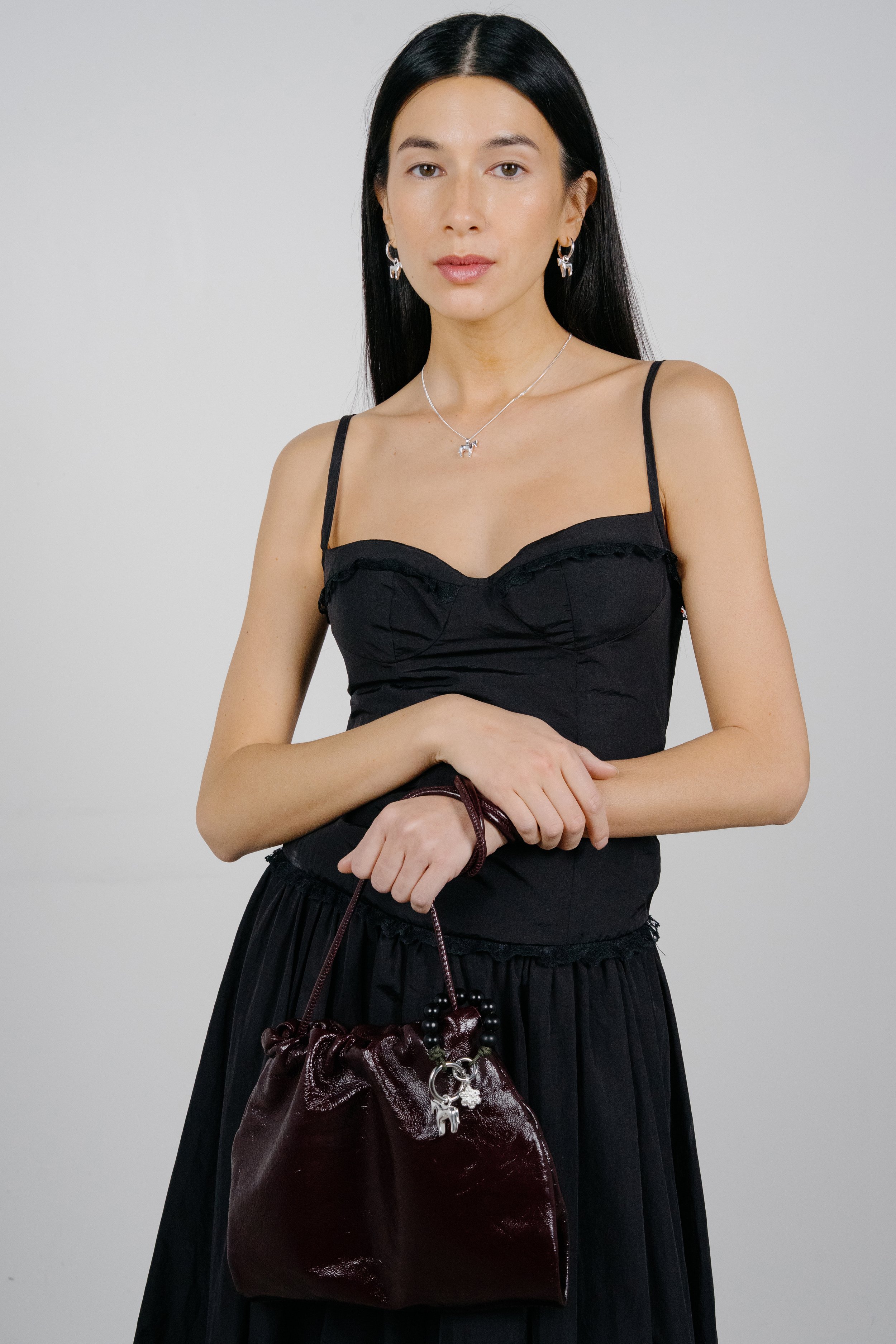
Kara Yoo has been making jewelry for over a decade. Experimentation and whimsy are at the heart of her craft — and since her designs come from the heart, they’re always inherent love letters to her origins. She doesn’t usually rely on overt cultural symbolism, but her pieces include gentle nods to her roots, such as traditional Korean knot-tying and allusions to the Chinese zodiac.
She uses her brand as a mirror into her inner workings, gestural metal movements or dainty beads standing in as symbols of her personal and artistic growth. Below, the designer shares how she plans to continue growing this year.
The Scoop: Kara Yoo is a woman-owned, Asian-led demi-fine jewelry brand based in Vancouver, founded in 2013.
KCE: How did you celebrate Lunar New Year growing up, and how have your holiday traditions evolved?
Kara Yoo: Growing up, we actually celebrated Lunar New Year traditions on January 1 — the Western New Year. When I was younger, my sisters and I would dress up in Hanbok (traditional
Korean dress) and bow to our parents and grandparents, called Sebae. My mom would
make rice cake soup, and we’d spend time together making dumplings.
As I’ve gotten older, I’ve become more interested in understanding and reconnecting with
those traditions more intentionally, rather than just participating in them. And now that I
have young children of my own, it feels even more important to revisit and carry those
traditions forward.
The Year of the Horse symbolizes shedding things that no longer serve us and moving forward with a clean slate. What does the Year of the Horse mean to you?
KY: For me, the Year of the Horse feels like a moment of movement and reset. There’s a
sense of letting go of what no longer serves me and stepping forward with more clarity.
With a new baby on the way (May 1st!) and new opportunities in my business, this year
feels especially full. I’m taking it as a time to revisit my goals, be intentional about what I
want to build, and actually put those plans into action. At the same time, I’m trying to stay grounded and balanced in what matters most.
What is your favorite current LNY tradition?
KY: Making homemade dumplings! My family and I would all come together and make
dumpling filling, fold dumplings, steam them, and eat them as is or in a rice cake soup. I love the unhurried time spent around the table, cooking and catching up together.
Did you plan to release any special products/drops for LNY?
KY: This year, I released the Year of the Horse Lunar Beaded Bag Loop. It was especially
meaningful to incorporate my niece’s Maedup —- traditional Korean knot-tying — into the
design. I love the idea of creating a new charm each year based on the Chinese
zodiac, so that’s something I may do for next year’s Lunar New Year release.
How do you consistently honor your background, even outside of the holiday?
KY: I don’t approach it as something reserved for a specific moment or holiday. It’ssomething that has gradually woven itself into my work. I didn’t grow up in a particularly traditional household (though we definitely ate a lot of Korean food), and I was also raised in a predominantly white environment, so expressing my culture wasn’t something I naturally leaned into. But as I’ve gotten older, I’ve felt more drawn to exploring those parts of my identity. That exploration has shown up in my work through subtle references like Maedup knots, Chinese zodiac motifs, and collections like Vessels.
Ming Yu Wang grew up bouncing between two versions of herself: the version of her enriched by her Chinese heritage, and her Westernized self. When she started her brand in 2013, she decided to go by her traditional name. This was the beginning of Wang stepping into her power, embracing all parts of herself, regardless of external perceptions.
She shares that her name actually means “King of Jade,” so maybe this was her intended path all along. She first started in apparel before deciding to create bold statement jewelry that functions as wearable art. She’s inspired by the suave looks her mother and her Mahjong friends so effortlessly commanded the room — and the mahjong tables — in. In those moments, her family and cultural traditions were all brought together to enjoy each other’s company at one table — that’s the feeling she tries to perpetuate through her brand.
The Scoop: Ming Yu Wang is a small-batch jewelry label focused on ethical sourcing, founded in 2013.
KCE: Tell me about your brand and how you weave your heritage into it.
Ming Yu Wang: Jewelry is something that can endure for years, even generations, which naturally aligns with my values of sustainability and thoughtful design. From the beginning, I wanted to create sculptural and intentional objects that people can live with and eventually pass down. Heritage is something I hold very close to my heart, and my mother has been one of my greatest inspirations. She taught me the importance of tradition and culture, and those ideas inevitably find their way into my work.
Many of my designs are rooted in moments from my childhood. For example, the Fujin Earrings were inspired by the tree-lined streets near Fujin Street in Taipei, where I grew up. The cascading banyan trees form beautiful canopies overhead. I recreated that feeling through chainmail constructed from solid sterling silver links, forming a fluid structure that reflects the movement and layered canopies of those trees.
How did you celebrate Lunar New Year growing up, and how have your holiday traditions evolved?
MYW: Lunar New Year was always the most important holiday growing up. It represents so many of the things I cherish most: gathering with family, sharing meaningful foods, and honoring our heritage. Food plays a beautiful symbolic role in the celebration. Many dishes carry wishes for the year ahead. Dumplings are eaten for prosperity because their shape resembles traditional gold ingots, and long noodles are served to represent longevity. We would also visit temples with our family to light lanterns and burn incense to pay our respects and welcome the new year. And of course, as a child, receiving red envelopes from elders was always incredibly exciting.
Now that I have a family of my own, I try to carry forward those same values with my husband, Gerald, and our son, Rocco. I find so much joy sharing stories from my childhood with him and teaching him the meaning behind the customs we celebrate. Wherever we are during the holidays, there are always red envelopes exchanged, delicious meals shared, and a deep sense of connection that makes the new year feel truly special.
What does the Year of the Horse mean to you, and how do you plan to honor it in 2026?
MYW: We are entering the Year of the Fire Horse, which carries a powerful sense of forward momentum and transformation. The energy feels very dynamic, and it has filled my mind with many exciting ideas for the year ahead. I’m thinking about new collection releases, intimate trunk shows, and finding new ways to tell stories through my designs. More than anything, I feel incredibly inspired at this moment, and I’m looking forward to sharing that energy with my customers throughout the year.
What is your favorite current LNY tradition?
MYW: Playing mahjong. My grandmother taught me how to play when I was about six, which is my son’s age now. I still remember watching my family gathered around the table, everyone dressed in their best outfits, laughing, teasing one another, and sharing dishes while the mahjong tiles clicked rhythmically across the table. My son recently asked me to teach him how to play, and I feel incredibly proud to pass that down to him.
Did you release any special products/drops for LNY?
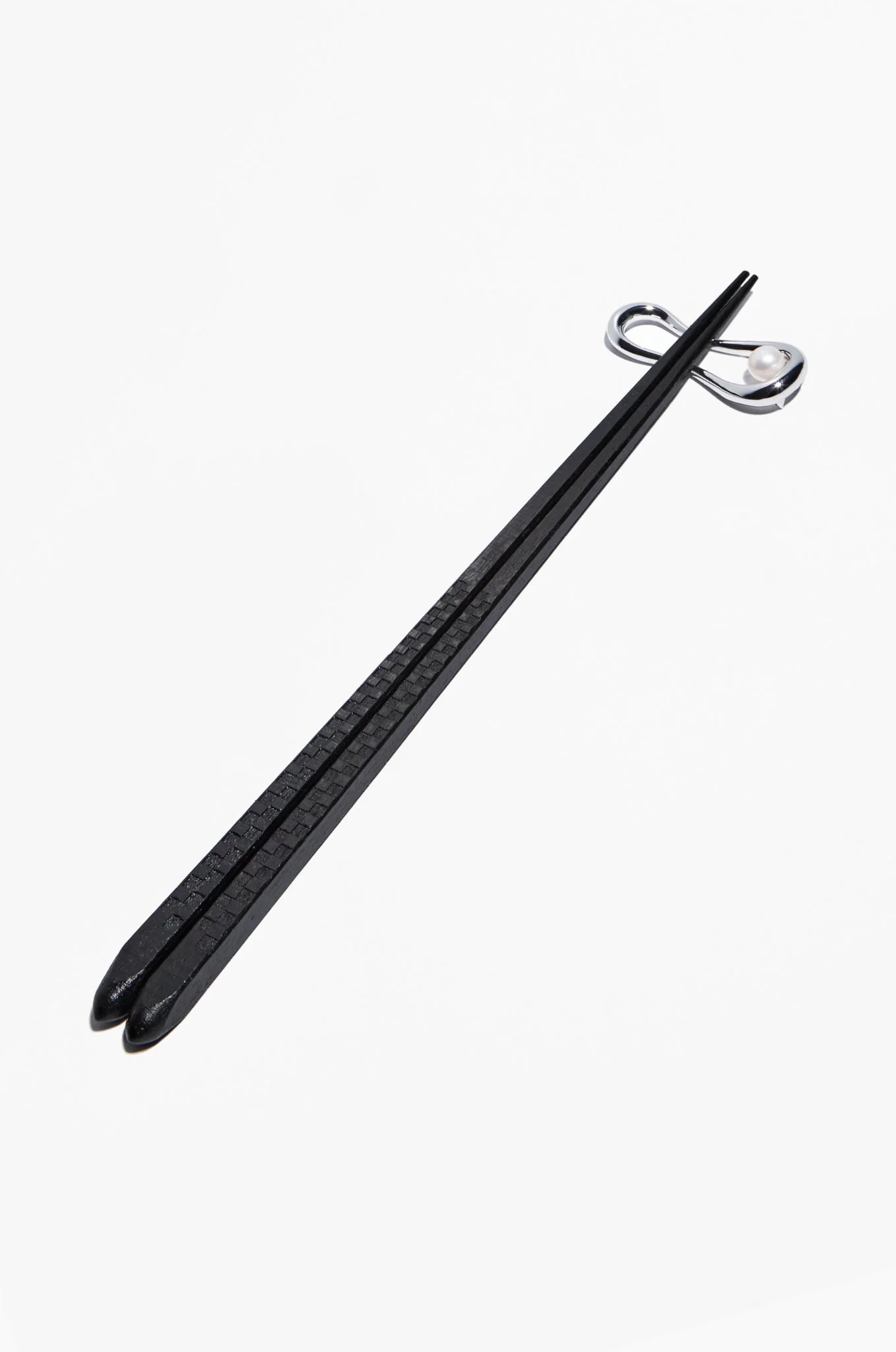
MYW: For the Year of the Horse, I’m introducing the Bloom Chopstick Rest, crafted in recycled brass and plated in rhodium, finished with a solitary freshwater pearl. The form was inspired by the elegant curves of a horse’s saddle. The piece feels especially meaningful to me because it reflects one of my favorite LNY moments, gathering around the table and sharing meals with family. It also marks my first step into home objects, which feels like a natural extension.
How do you consistently honor your background, even outside of the holiday?
MYW: I’m naturally drawn to working with sterling silver and freshwater pearls, not only for their beauty and sustainability, but also for their cultural significance. In Chinese culture, silver and pearls have long been associated with protection, purity, and well-being. Together, these materials have become a consistent thread throughout my work. They allow me to create contemporary forms while still honoring where I come from in a way that feels natural and timeless.
Find Me Now is a Brooklyn-based label that has been touched — and poignantly influenced by — multiple generations of the Paek family. Dynamic mother-daughter duo, Su Paek and Stephanie Callahan, masterfully weave the threads of their origins into every garment.
They started a previous business before landing on Find Me Now, a label that creates one-of-a-kind garments, some often convertible or modular — but all meant to ignite the fiercest version of yourself. Putting their identities front and center has always been integral to Find Me Now. Stephanie has mentioned that, aside from her family’s matriarchs, she didn’t feel she had many Asian American icons within the fashion space. So instead of searching for an aspirational story she could actually relate to, Stephanie and her mother started their own.
The Scoop: Find Me Now, founded in 2021, is a Queens-based brand inspired by Stephanie’s Korean-Brazilian heritage. She says, “The FMN woman is multifaceted, complex, and authentic to herself. A true baddie who doesn't fit neatly into one box.”
KCE: How did you celebrate Lunar New Year growing up, and how have your holiday traditions evolved?
Stephanie Callahan: Growing up, LNY always started with a big clean-up — the whole house, before the new year came in. We'd go on holiday, and making mandoo together was always the centerpiece. When we lived in Hong Kong, red envelopes made it feel especially ceremonial. It was joyful and grounding at the same time. Now I'm the one passing it down — making mandoo with my little one, keeping that thread alive.
What does the Year of the Horse mean to you, and how do you plan to honor it in 2026?
SC: It resonates deeply. There's something primal about the Horse — it's pure forward energy, unbothered by what's behind it. I've been doing a lot of internal work around releasing old mindsets, old fears, old ways of operating that kept me playing small. The Horse permits me to just move. For FMN, that means taking bolder swings. Less hesitation, more momentum.
What is your favorite current LNY tradition?
SC: Making mandoo with my little one. It's the tradition I grew up with. There's something about folding dumplings together — it's slow, it's tactile, it's a conversation across generations. That feels like the whole point.
Did you release any special products/drops for LNY?
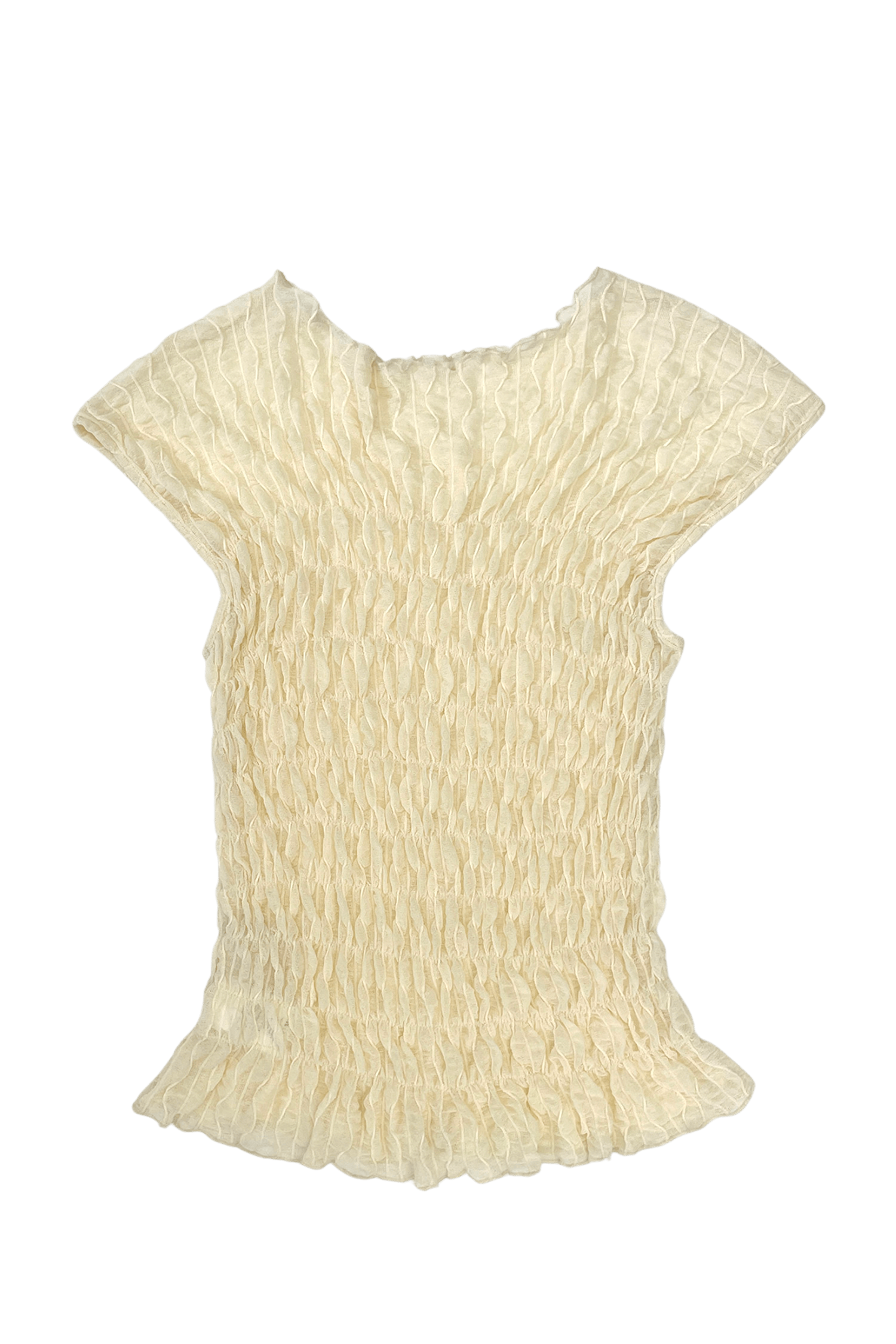
SC: We're honoring the sacred red of Lunar New Year through our SS26 collection — brought to life in our tried and true Second Skin fabrics that are signature to FMN. Red is powerful, it's intentional, and it feels right to let the color do the talking this season.
How do you consistently honor your background, even outside of the holiday?
SC: It lives in everything. Our product names are rooted in my Korean and Brazilian heritage — they're the names of family members and friends. Our community events blend cultures in ways that feel true to how I actually grew up, between worlds. And the women I design for are often the same — multicultural, layered, not easily categorized. Honoring where I come from isn't a campaign; it's just how the brand thinks.
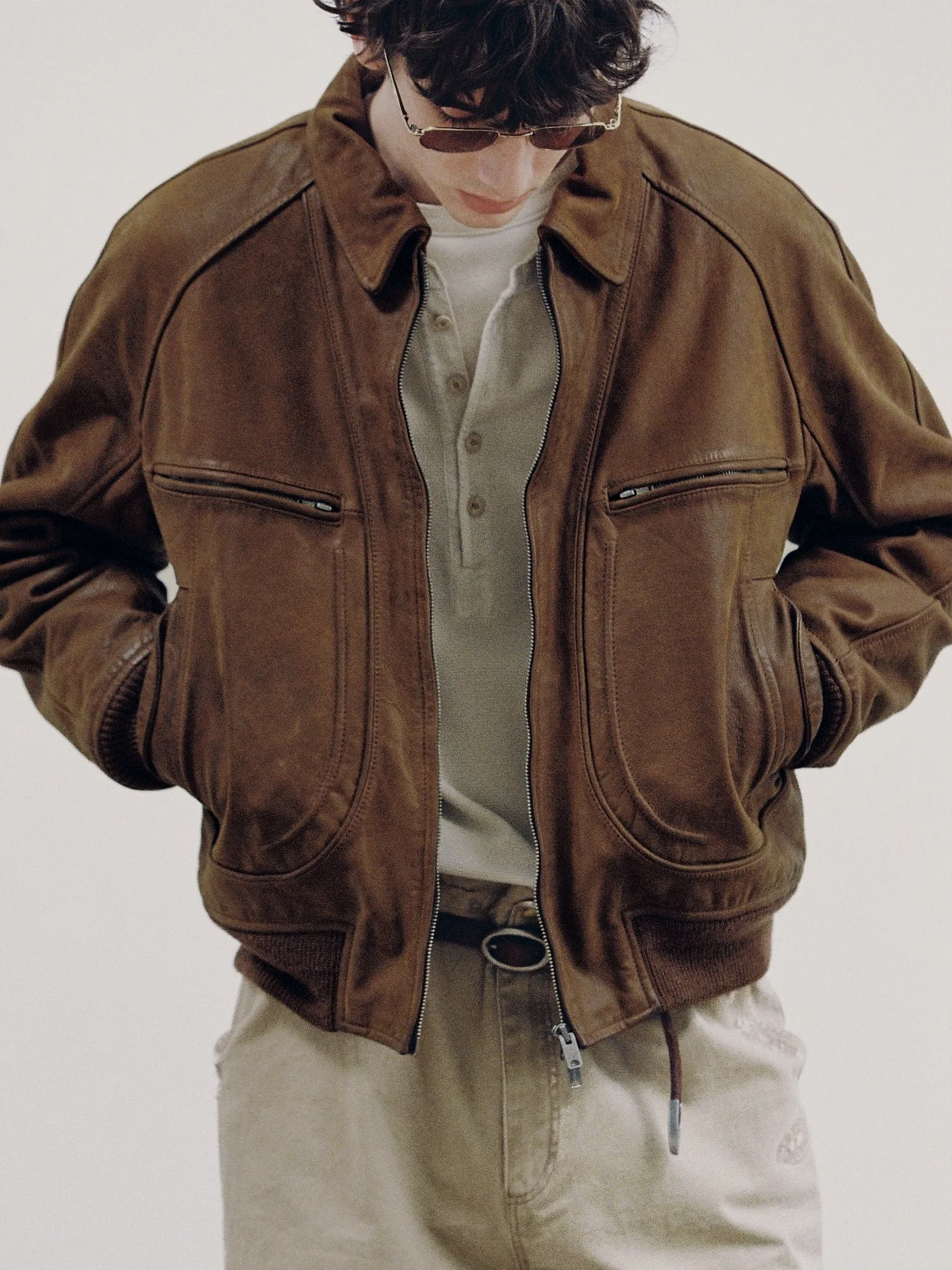
C2H4’s founder, Yixi Chen, runs the brand between Los Angeles and Shanghai, reflecting her penchant for wearing many hats at once. The brand is the lovechild of her fascination with music, film, architecture, and 1950’s and ‘60s design elements — but though C2H4 is informed by many other artistic touchpoints, a garment from the label is anything but complicated.
Chen’s design process emphasizes practicality — presenting sleek staples free from extra fuss. Every collection Chen conceptualizes coincides with a numerical sequence, yielding one-of-one pieces with a unique aesthetic appeal.
The Scoop: C2H4 is a ready-to-wear label founded in 2014, informed by minimalism and a modern interpretation of mid-20th-century design and fashion elements.
KCE: Tell me about your brand and how you weave your heritage into it.
YC: C2H4 is built around the idea of systems — how individuals move through environments, how culture evolves, and how identity is continuously reconstructed. From the beginning, I’ve approached design almost like research. My heritage isn’t something I reference overtly or decoratively — it’s embedded more subtly in how I think. Growing up between cultures shaped my perspective on duality, tension, and translation. That shows up in the work through contrasts. Rather than replicating tradition, I’m more interested in recontextualizing it — taking underlying philosophies and expressing them in a way that feels relevant to now.
How did you celebrate Lunar New Year growing up, and how have your holiday traditions evolved?
YC: Growing up, Lunar New Year was very family-oriented — there was a strong sense of ritual. It was about gathering, food, and small symbolic gestures that carried meaning, like red envelopes or preparing the home for a fresh start. As I’ve gotten older and spent more time between cities, the way I celebrate has become more fluid. It’s more about creating space for reflection — taking time to reset mentally, to think about what I’m carrying forward and what I’m leaving behind. The core idea of renewal has stayed consistent, but the expression of it has evolved with my lifestyle.
What does the Year of the Horse mean to you, and how do you plan to honor it in 2026?
YC: To me, the Year of the Horse is about momentum, but also clarity. It’s not just moving forward quickly — it’s moving with intention. In 2026, I’m thinking about refinement — removing excess, both creatively and operationally, and focusing on what feels essential. That applies to the collections as well: more precision, stronger ideas, less noise. There’s also a certain independence associated with the Horse that resonates with how I approach both design and business.
What is your favorite current LNY tradition?
YC: The idea of resetting the environment — physically and mentally. Even something as simple as reorganizing a space or starting fresh with a new sketchbook carries a lot of meaning. I’m drawn to the quieter aspects of the holiday — the moments that aren’t necessarily visible, but that shift your mindset.
Did you plan to release any special products/drops for LNY?
YC: We didn’t plan a specific Lunar New Year drop. For us, the idea of renewal isn’t something we isolate to a single moment or capsule — it’s embedded in how we approach each collection.
How do you consistently honor your background, even outside of the holiday?
YC: It comes through in the framework of the brand more than in specific visual cues. I think a lot about balance, restraint, and intention — values that are deeply rooted in my upbringing. There’s also an emphasis on continuity — each collection builds on the last, rather than existing as isolated moments. That idea of evolution over time is something I connect back to culturally. Ultimately, it’s less about representation in a literal sense and more about perspective. The way I see the world — and the way that translates into design — is shaped by where I come from, whether it’s visible on the surface or not.
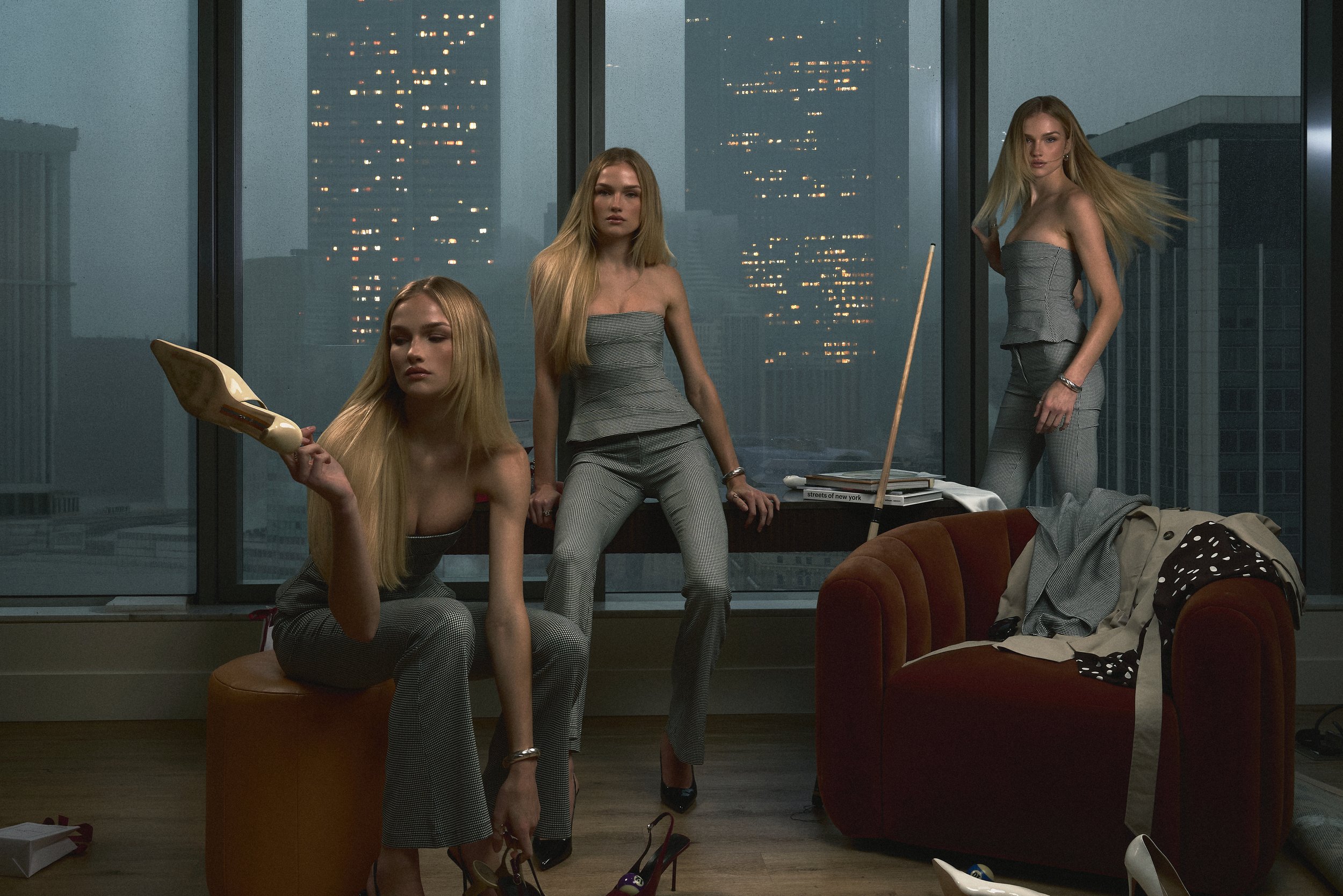
Miss Circle, also known as Isabel Deng, started her brand to honor the sense of modern elegance that lives within us all. She moved to New York as a young girl and was immediately impacted by the city’s crowded streets and compelling energy. She quickly realized that she wanted to be a part of that energy. Now, Deng works as the brand’s founder, designer, and creative director all in one (because Miss Circle can do it all!), and she takes constant inspiration from the city that made her dreams come true.
The founder began to fine-tune her focus in recent years, spotlighting not only NYC but the roots that shaped her into the multifaceted creative she is today. Now, Miss Circle celebrates her past and present self and offers that same sense of jovial celebration to anyone who puts on one of their chic party looks.
The Scoop: Miss Circle is a Soho-based label, founded in 2016, that focuses on pieces that can help any it-girl effortlessly transition from day to night.
KCE: How did you celebrate Lunar New Year growing up, and how have your holiday traditions evolved?
Isabel Deng: When I was a child, I would dress up in new clothes — if it's Chinese New Year, you wear something new. But I didn’t always know why we practiced the traditions that we did. Now with my daughter, I want to tell her more about why we dress this way and the stories behind it. So it’s more the storytelling that makes me very excited to pass these things on to the next generation.
What does the Year of the Horse mean to you, and how do you plan to honor it in 2026?
ID: To me, fire represents power. What I will say is that in the last 10 years of my running Miss Circle, I have never seen this many people excited about what the holiday represents. There’s a lot of excitement, and I think people are much more open-minded and positive, which helps to create environments where we feel free to celebrate who we are.
What is your favorite current LNY tradition?
ID: I used to make dumplings with my parents. I would say the food, the rest, the rest cake. I just love Asian food in general. I mean, I eat everything, but I need to have Asian food. If I don't have Asian food for weeks — something’s wrong. But I would say my favorite tradition is the red envelope. I give that to everyone on my team. It's kind of a Miss Circle tradition.
Did you release any special products/drops for LNY?
ID: This year, for my tenth year, I am secretly working on something inspired by my Chinese heritage. I used to hate it when my mom wanted me to wear that dress, but now that I’m a mom, I also dress up my chicken in the same way.
How do you consistently honor your background, even outside of the holiday?
ID: I incorporate my heritage into my brand in two ways. I’ve lived in New York for over 20 years. The city inspires me so much — it’s shaped me as an entrepreneur, and it's taught me resilience — you have so many ups and downs here. In design, you have to know what you want and go for it, and I learned that here. So that’s definitely something that I learned, from day one, and how the city has shaped me as a designer.
I was born in a city in China that's one of the historical cities that's been the capital of 9 different dynasties in Chinese history. Chinese history isn’t as well-known or learned as Western history, but growing up, I felt deeply connected to the art, the architecture, and the history of where I came from. But if you look at what I’ve been doing with the brand for the last 10 years, you don't see anything about my heritage when it comes to design. I think that came from this place of respecting my heritage and history so much that I didn’t want to touch it. I didn't want to turn my culture into a costume.
But I learned that confidence, and I feel it's now important to show those parts of me. I recently designed a dress inspired by the traditional Chinese dress. It did so well, and everyone loved it, so that's also giving me motivation to make more.
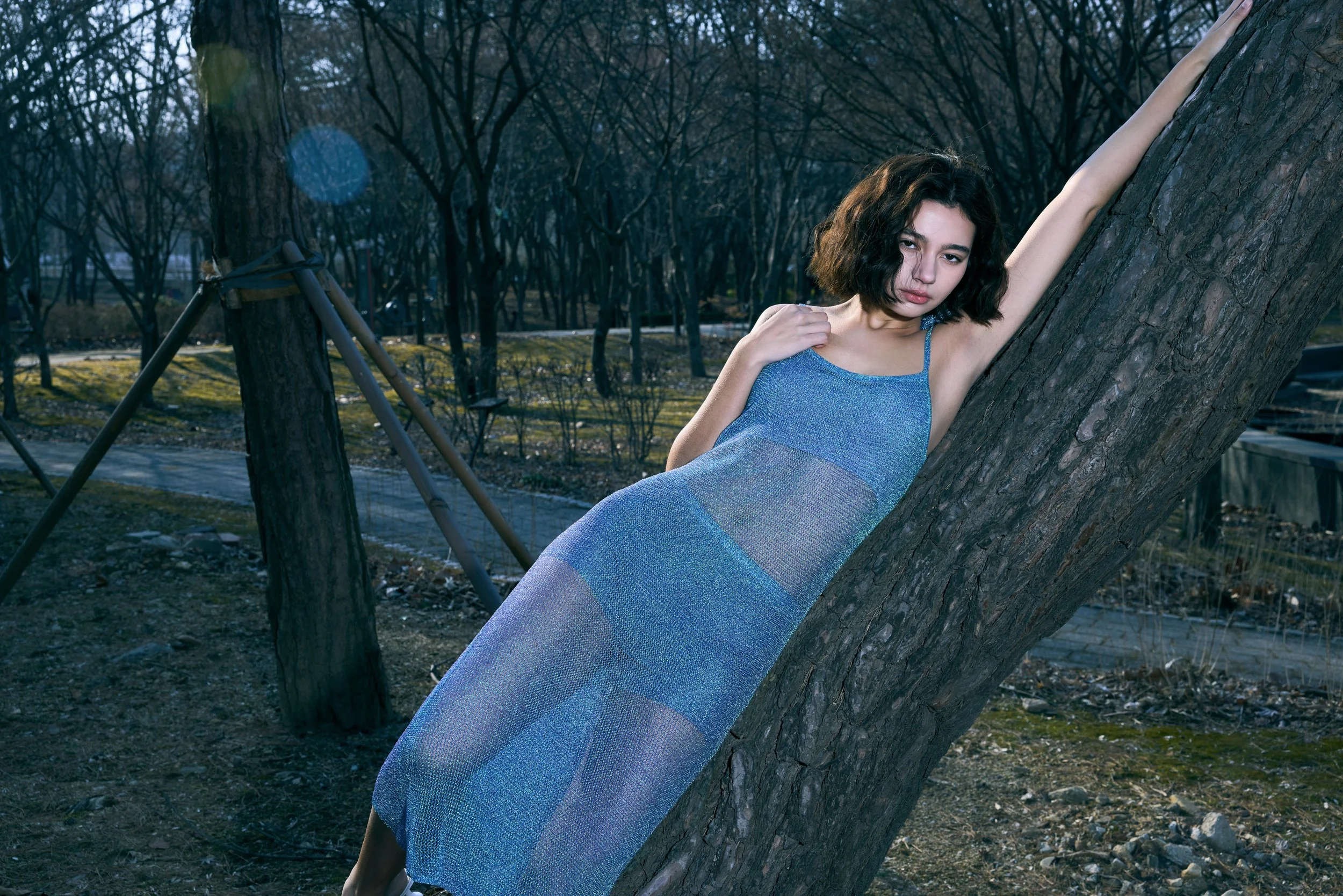
Affection Blvd is all about embracing the softer sides of life. So many young girls experience the varied spectrum of femininity throughout childhood — in many spaces, hyper-feminine girls who reached for feather boas and sparkles were too “girly,” while those who leaned tomboy were often told they weren’t enough of what they were expected to be. In Affection Blvd, wearers are empowered to display whatever form of femininity they desire.
The label expresses that every piece of clothing it offers is a “love letter to self-expression,” and the brand celebrates expression in all of its myriad forms. Non-seasonal, slow production is a focus of the brand, which is known for its dynamic garments that seamlessly fuse functionality and a Carrie Bradshaw-esque flair.
The Scoop: Affection BLVD is a non-seasonal, slow-fashion label that prioritizes natural yarns, deadstock fabrics, and family-owned factories to ensure durability and minimal waste. Everything is made responsibly with love and affection.
KCE: Tell me about your brand and how you weave your heritage into it.
Stella Huang: The brand lives at the intersection of my two cultural backgrounds. I was born in the US, but at three, I moved to China. Those years shaped me deeply: long family dinners filled with storytelling, celebrating every festival with its unique rituals, and traveling to different cities to learn their histories and traditions. That immersion became the foundation of who I am as a person and as a designer. When I officially launched Affection BLVD in Hong Kong, it felt like standing in the perfect place where East and West truly meet.
My designs are built on that duality. Growing up in China, the first thing that comes to mind about the culture is abundance and maximalism. Those influences show up in playful, expressive elements like our signature heart motifs. At the same time, having spent most of my life in the US, I’m drawn to clean, relaxed, functional Western silhouettes that prioritize comfort, freedom of movement, and effortless wearability. I source from Chinese artisans for unique hand-dyed fabrics and traditional techniques, then pair them with modern, effortless silhouettes. It’s about creating clothing that reflects how I live — comfortably carrying both cultures every day — so anyone who wears it can feel that same sense of belonging to two worlds at once.
How did you celebrate Lunar New Year growing up, and how have your holiday traditions evolved over time?
SH: Growing up, we’d go to the LNY Flower Fair to pick out our lucky flowers and lanterns for the kids. Then we’d gather with family and relatives for the biggest meal of the year. I loved digging through the traditional Chinese New Year candy box to see if my favorite treats were in there. In the following days, we’d visit friends’ and family members’ homes (bai nian) to exchange greetings and good wishes, and my favorite part: getting “lucky money” (red packets)!
Now that I’m older, busier, and travel a lot more often — and with most of my family spread out — it does feel like there’s less of that full New Year holiday atmosphere compared to childhood. That’s why I treasure every little bit of celebration I can squeeze in nowadays. I definitely intend to keep the traditions alive for as long as I can.
What does the Year of the Horse mean to you, and how do you plan to honor it in 2026?
SH: In Chinese culture, the Horse symbolizes passion and bravely advancing toward your goals with confidence and momentum. For me, it means channeling that vibrant, forward-driving energy into Affection BLVD: continuing to move ahead decisively, trusting my instincts, and not overthinking every step. It’s about shedding hesitation, staying in motion, and continuing (galloping!) toward growth with passion.
What is your favorite current LNY tradition?
SH: It used to be receiving red packets, but now that I’m married, I love being the one to hand them out to my friends, family, and the people in my daily life. I just love seeing the big smiles on their faces as they offer traditional greetings and blessings in return.
Did you plan to release any special products/drops for LNY?
SH: Something is in the works! It will feature the Horse in a color that symbolizes good luck (not red). Stay tuned!
How do you consistently honor your background, even outside of the holiday?
SH: I honor my Chinese background daily through the core values I grew up with in China — harmony, craftsmanship, resilience, and a deep love for abundant beauty and detail. Nothing is trend-chasing; it’s about creating lasting emotional connections. These values aren’t tied to festivals — they shape every part of Affection BLVD year-round.
In the brand, this lives evergreen in our non-seasonal approach: timeless pieces built on balance and intention, so they feel harmonious and versatile — flirty or romantic as the mood strikes, but always durable and comfortable. We keep craftsmanship alive by sourcing and producing with artisanal and family-owned businesses in Hong Kong and China, using natural fabrics, deadstock materials, and ethical practices that minimize waste and build long-term community ties — just like the respect for makers I learned as a child.
Zimo was born out of founder and designer Yan’s touching memories tied to her East Asian culture. As such, incorporating fragments of her roots isn’t even a conscious consideration — it’s second nature. She crafts pieces from deadstock materials, granting new life to the textiles themselves, while also penning a new story about East Asian culture altogether. She mentions that many parts of her heritage are overlooked, but through her practice, she shines a light on the ephemeral mementos that made her who she is.
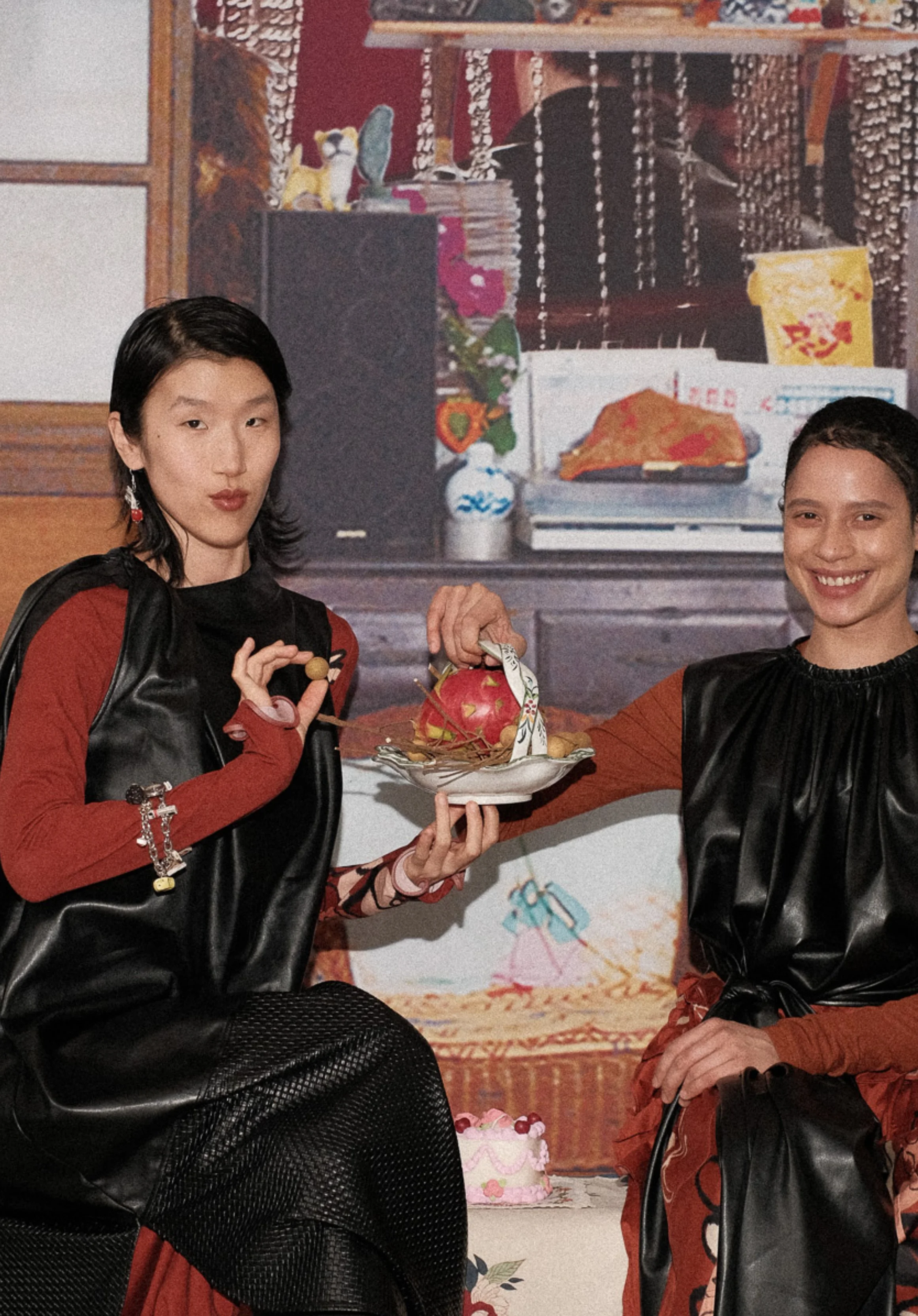
The Scoop: Zimo is an independent, New York-based fashion label founded in 2021, based on the idea of clothing as memory.
KCE: Tell me about your brand and how you weave your heritage into it.
Zimo Yan: I’ve always been interested in how clothing can capture memory, not just visually but emotionally. The brand is rooted in 1990s East Asian culture, especially the everyday moments that often get overlooked. Things like family photo albums, small objects from childhood, or details that quietly disappear over time. Instead of referencing heritage in an obvious way, I try to translate those memories into something that feels relevant and wearable today. I work a lot with sustainable fabrics and deadstock because they already carry a sense of history. It feels more like continuing a story than starting from zero. It’s less about nostalgia itself and more about how those memories can exist in the present, and how people can wear them and make them their own.
How did you celebrate Lunar New Year growing up, and how have your traditions with the holiday evolved?
ZY: Growing up, the Lunar New Year was always about being with family. We’d have big meals, visit relatives, and everything felt very traditional. Now it’s quite different. My family is in China, and I’ve been living abroad for a while, so I haven’t really been able to spend time with them in person. But I still try to keep some rituals. Every year, I celebrate with friends, and I always video call my parents to wish them a Happy New Year. As things have developed in China, the feeling of Lunar New Year has changed a bit there. Sometimes, being in the U.S., especially in Chinatown, the atmosphere actually feels more festive and traditional. So for me, it’s become less about one specific place and more about how you stay connected to those traditions in your own way.
What does the Year of the Horse mean to you, and how do you plan to honor it in 2026?
I’ve heard people describe this year as having a lot of “fire” energy, which can make you more impulsive and push you to act on things you might have hesitated about before. For me, I already have a lot of that “fire” energy, so this year is more about learning how to hold back a little and be more intentional. That doesn’t mean doing less, though. It’s more about planning and setting things up properly, then moving when the timing feels right. This year, we’re also expanding into lifestyle. We’ve started developing objects like 90s kitsch-style cake candles, which feels like a natural extension of the brand’s world.
What is your favorite current LNY tradition?
ZY: For me, it’s not making dumplings; I’m from the south of China, so that’s not really my tradition. Honestly, what I value most now is the feeling that everything slows down. In China, Lunar New Year is one of the only times when people really take a proper break. During Lunar New Year, I actually get to enjoy quieter, more relaxed nights, and that feels really special to me.
Did you plan to release any special products/drops for LNY?
ZY: We’re currently working on some ideas around that. There will be something special next year, so stay tuned.
How do you consistently honor your background, even outside of the holiday?
ZY: It’s really embedded in how I think and design. From the very first season, ZIMO has been about exploring East Asian culture through memory. Sometimes when people see the pieces, there’s a sense of familiarity, like they somehow remind them of something personal. Sometimes that comes through unexpected materials or details, like reworking familiar objects into something wearable. Now we’re on our ninth season, and that hasn’t really changed. Each collection tells a different story, but they all come from the same place. We’re always interested in uncovering small, specific East Asian memories, things that feel nostalgic or overlooked, and bringing them back in a new form. So it’s not something seasonal for me, it’s more like an ongoing language that keeps evolving while staying rooted in where it comes from.