

How Fashion is Fueling Pop Musics Latest Rebrands
Photography Taylor Hill/WireImage via Getty Images
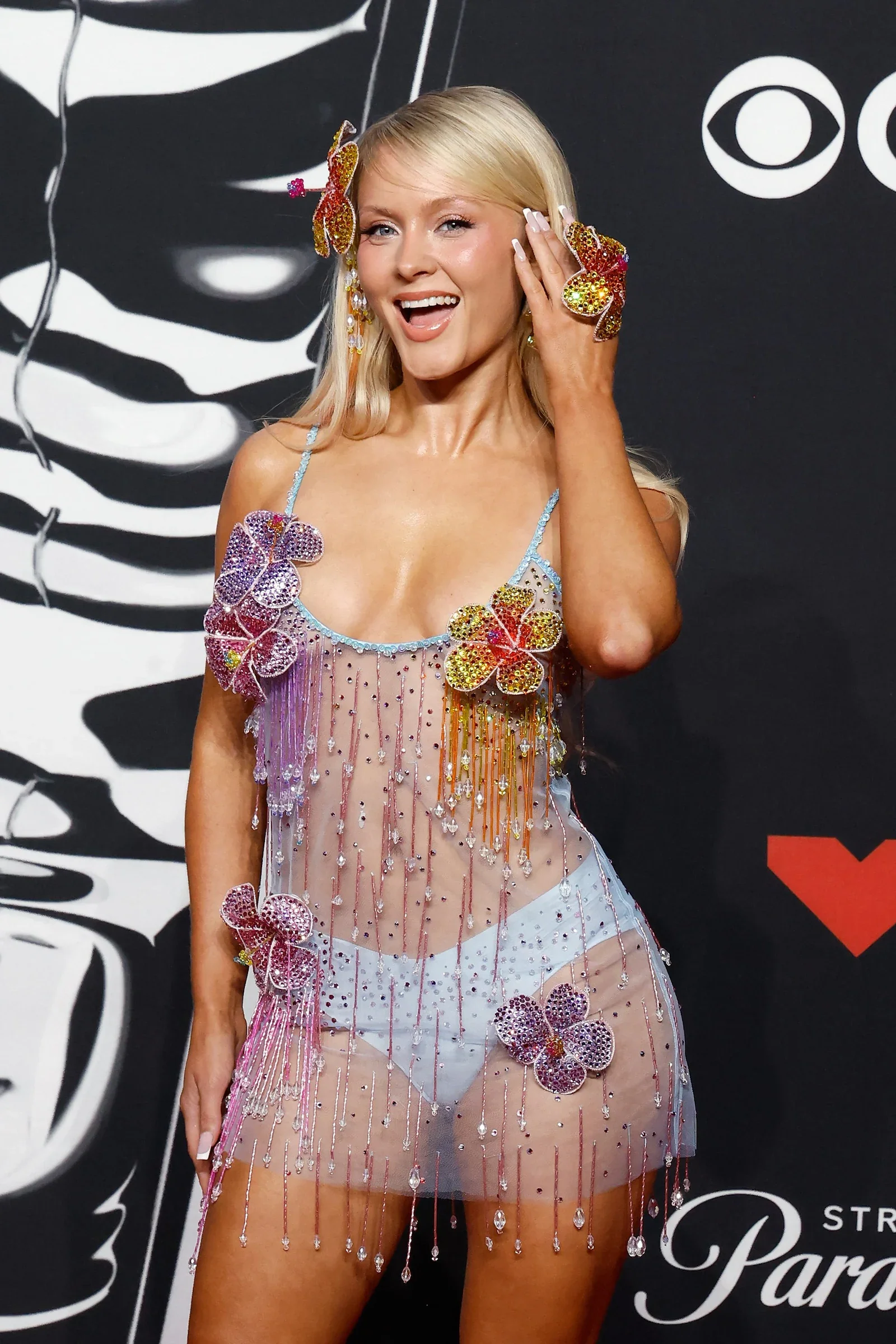
Pop music has continued to be dominated by the girlies – and Gen Z is watching closely. In an industry as oversaturated and unforgiving as music, breaking through requires far more than a catchy hook or viral moment. Artists today need not only a distinct sound, but a distinct look. Fashion has become one of the most powerful tools artists have to define their identity, build recognition, and elevate themselves from “someone with a hit song” to a fully realized pop star. Over the past year, several Gen Z–favorite artists have undergone noticeable rebrands – using fashion not as an accessory, but as a core part of their artistic expression. Zara Larsson and Addison Rae are prime examples of how leaning into a cohesive, intentional aesthetic can change the trajectory of a career.
Zara Larsson was one of the true breakout stars of 2025. While she’s been in the music industry for years (with previous hits like Lush Life and Symphony) her earlier success felt more song-driven than star-driven. When Symphony resurfaced thanks to a viral “dolphin meme,” Zara seized the moment. Where fans had once linked the song to the meme itself, they were now recognizing her.
This time around, Zara didn’t just release music – she introduced an era. She leaned fully into a polished, hyper-feminine pop aesthetic across her album visuals, makeup, and fashion. The looks were intentional, elevated, and consistent, allowing fans to finally connect the voice to a visual identity. Her sharp styling, paired with undeniable vocals and stage presence, helped propel her to her own arena tour—proof that the full package matters.
More recently, her music video for “Stateside” with PinkPantheress went viral for the two artists switching aesthetics. The concept worked so well because both artists have such clearly defined visual worlds emphasized through fashion. PinkPantheress’s style pulls heavily from her UK roots – think understated, lived-in silhouettes, Y2K nostalgia, and a distinctly London sense of cool that favors effortlessness over excess. Seeing Zara step into PinkPantheress’s stripped-back, quietly cool aesthetic (and PinkPantheress experiment with Zara’s glossy, high-impact pop styling) felt exciting rather than confusing. The contrast highlighted how thoughtfully each artist has constructed her visual identity.
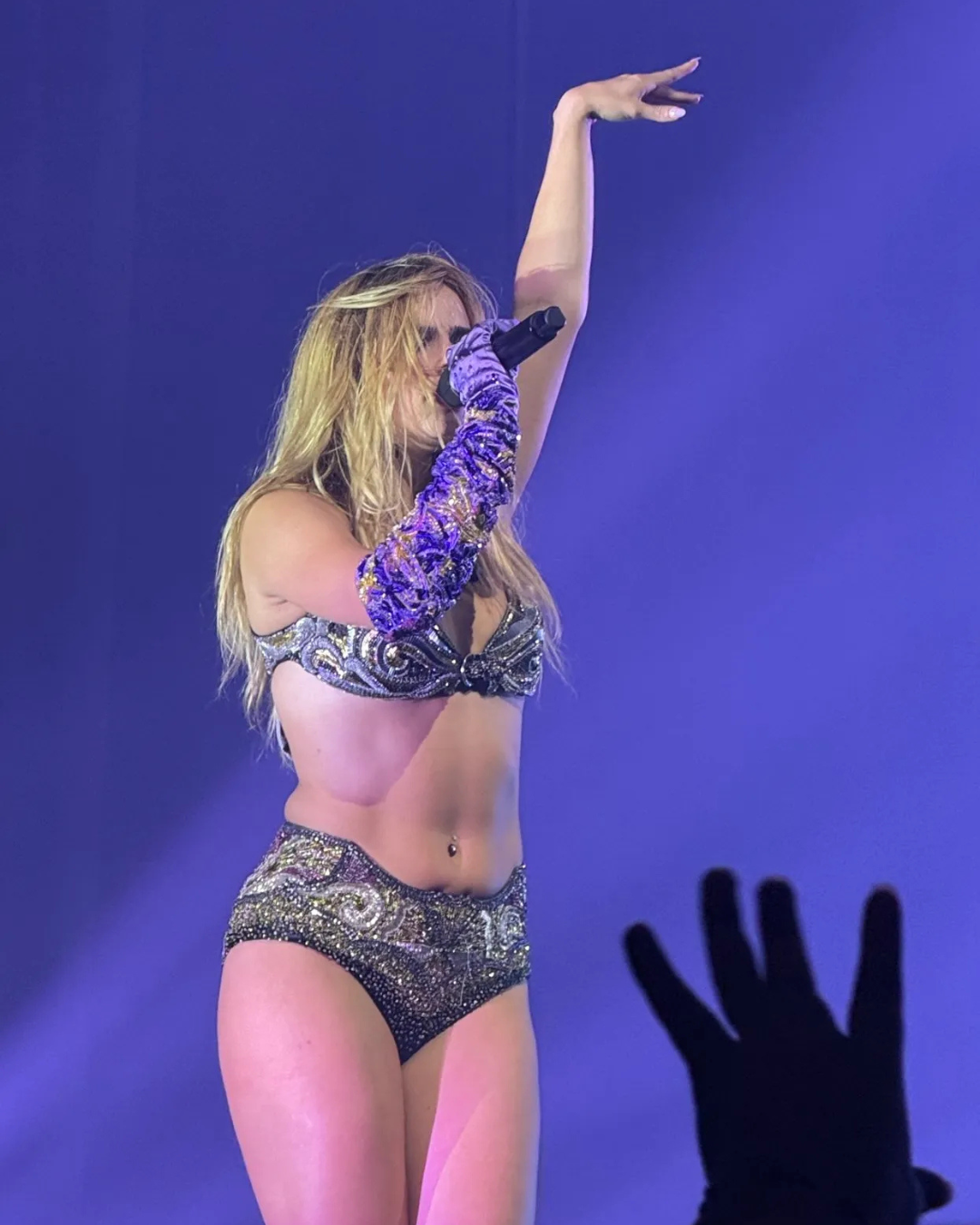
Photo by Versace
Addison Rae’s transformation may be even more striking. Initially known for dancing on TikTok, she had an uphill battle if she wanted to be taken seriously as a pop artist. Rather than lean into a safe, polished image, Addison did the opposite. With the help of her legendary stylist Dara Allen (who also serves as Fashion Editor at Interview Magazine), she shed any lingering “clean, good-girl” associations and embraced a messy, gritty, fashion-forward aesthetic reminiscent of early 2010s Tumblr.
Her inaugural tour made fashion a focal point. The moment that truly solidified her fashion credibility came when she wore Versace straight off the runway from Dario Vitale’s first (and only) collection for the brand.
Her High Fashion music video further cemented her devotion to style, expressing her love for the art form not just through lyrics, but through bold, often uncomfortable visual choices. Addison is willing to get ugly in the name of art, and fashion houses have taken note.
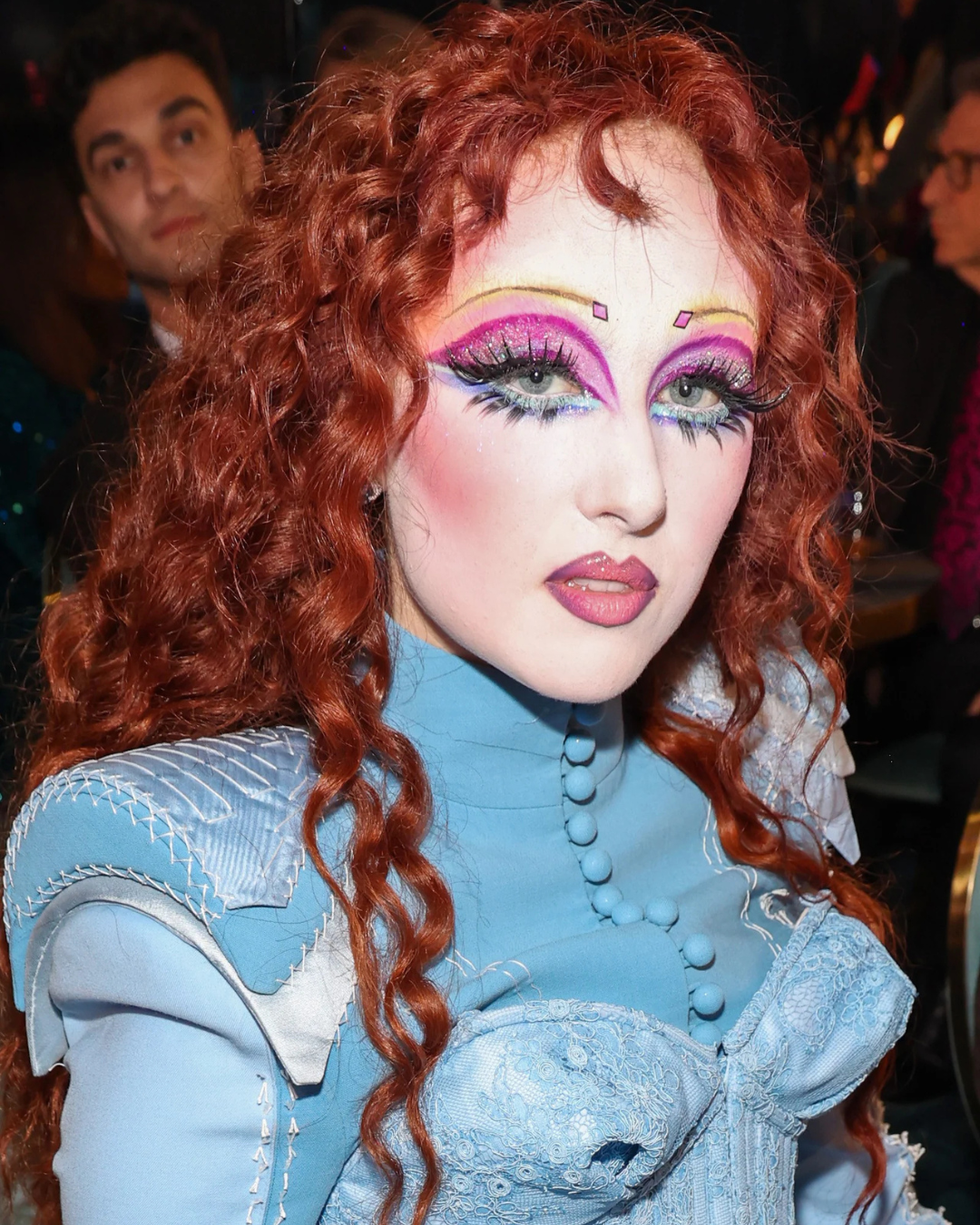
Photo by Kevin Mazur/Getty Images for The Recording Academy
Another standout example has been Chappell Roan, whose rise has been inseparable from her visual identity. Chappell didn’t just release music – she built a world. Drawing inspiration from drag culture, camp, and queer nightlife, her exaggerated silhouettes, theatrical makeup, and unapologetically loud styling feel both nostalgic and radical. Each look is a character, and each performance feels like a visual event. Her fashion isn’t about trends – it’s about storytelling, and Gen Z has embraced her for it.
Together, these artists prove that fashion isn’t just about looking good—it’s about building a recognizable, authentic identity. In today’s pop landscape, style isn’t secondary to the music. It’s part of the art.